
Area of Speciality

If you're reading this, chances are you or someone you know is struggling with a mental health condition. It can be really tough to deal with these kinds of issues, and it's important to remember that you're not alone. In fact, mental health conditions are actually quite common, with millions of people around the world struggling with conditions like anxiety, depression, and bipolar disorder.
But the good news is that there are many effective treatments out there for these conditions, including therapy. In this article, we're going to take a look at some of the most common mental health conditions and how therapy can help.

Anxiety is a feeling of fear or worry that can be overwhelming and can interfere with daily life. Some people experience anxiety in response to specific situations, while others may feel anxious all the time. Therapy can be really helpful for people with anxiety, as it can help them learn coping skills and strategies to manage their anxiety.
Therapy can also help individuals identify and challenge negative thought patterns and behaviors that contribute to their anxiety. Through therapy, individuals can learn to identify and change their reactions to anxiety-provoking situations, and develop a greater sense of control over their thoughts and emotions.
Ultimately, therapy can help individuals with anxiety feel more confident and capable of managing their anxiety, and lead a happier and more fulfilling life.
Depression is also a very common mood disorder that can cause feelings of sadness, hopelessness, and loss of interest in activities that once brought joy. It can be difficult to cope with depression, but therapy can be an effective treatment.
Through therapy, people with depression can learn to recognize and change negative thought patterns, develop healthy coping mechanisms, and improve their mood.
A therapist can help individuals with depression identify the root causes of their depression and develop strategies to manage it, such as cognitive-behavioral therapy or interpersonal therapy. These types of therapy can help individuals identify and challenge negative thought patterns, set realistic goals, and develop healthy coping skills.
Therapy can also provide a sense of connection and support, which can be especially important for individuals with depression, who may feel isolated and alone. Through therapy, individuals with depression can learn to manage their symptoms, improve their mood, and lead a more fulfilling life.
Bipolar Disorder
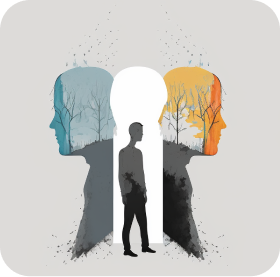
People with bipolar disorder may experience periods of intense happiness and activity (known as mania) followed by periods of depression. Therapy can be helpful for people with bipolar disorder, as it can help them manage their mood swings and develop healthy coping strategies.
A therapist can help individuals with bipolar disorder understand the patterns of their mood swings and develop a treatment plan that may include medication and therapy.
Cognitive-behavioral therapy (CBT) and dialectical behavior therapy (DBT) are two types of therapy approaches that have been found to be particularly effective in treating bipolar disorder. These therapies can help individuals with bipolar disorder identify and challenge negative thought patterns, develop healthy coping skills, and manage their emotions in a healthy way.
Additionally, therapy can help individuals with bipolar disorder build a strong support system and improve their relationships with others. Through therapy, individuals with bipolar disorder can learn to manage their symptoms, reduce the frequency and intensity of their mood swings, and lead a more stable and fulfilling life.
PTSD
Post-traumatic stress disorder (PTSD) is another very common condition that many people the world over live with.
PTSD can develop after a person experiences a traumatic event, such as a natural disaster, accident, or act of violence. Symptoms of PTSD can include flashbacks, nightmares, and extreme fear or anxiety. Therapy can be an effective treatment for PTSD, as it can help people process their traumatic experiences and develop strategies to cope with the symptoms of PTSD.
A therapist can help individuals with bipolar PTSD understand the relationship between their traumatic experiences and their mood symptoms, and develop a treatment plan that addresses both conditions.
Cognitive-behavioral therapy (CBT) and trauma-focused therapy are two types of therapy that have been found to be particularly effective in treating PTSD. These therapies can help individuals with bipolar PTSD identify and challenge negative thought patterns, learn relaxation techniques, and develop healthy coping skills.
In addition, therapy can provide a sense of connection and support, which can be especially important for individuals with bipolar PTSD, who may feel isolated and alone as a result of their experiences. Through therapy, individuals with bipolar PTSD can learn to manage their symptoms, reduce the frequency and intensity of their mood swings, and lead a more stable and fulfilling life.
Things to Consider
It's important to remember that therapy is not a single panacea that will solve all our problems after the first session - nor is it a one size fits all solution. Different people may respond to different therapies and treatments, so it's important to work with a therapist to find the right treatment plan for you. But overall, therapy is a very powerful tool in managing and treating common mental health conditions. So if you're struggling with a mental health condition, don't hesitate to seek out therapy and get the help you need.


